
United States travel — 2026
Best eSIM for United States travel (2026)
Choose an eSIM that matches your route and need: city sightseeing, cross‑country drives, or full‑time remote work.
Quick take: Verizon still leads rural/highway reach; T‑Mobile is best value in many cities; AT&T balances both. Hotspot is usually possible but subject to carrier caps, throttling, or MVNO limits — check plan rules before relying on tethering.
Performance
Performance and real‑world behavior
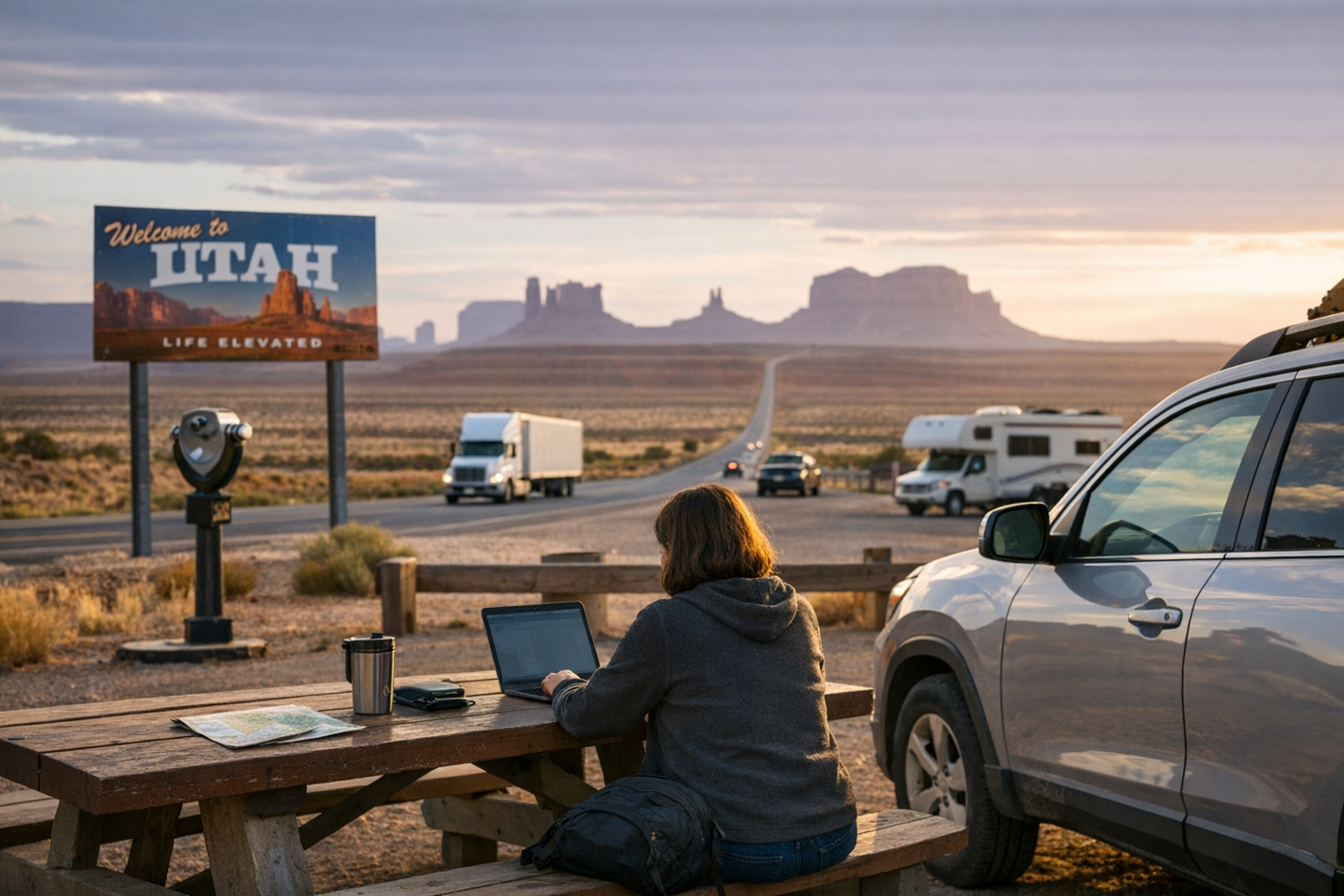
Field reports and recent coverage maps show Verizon remains most consistent across interstates and many national parks; good pick for long drives.
T‑Mobile tends to offer stronger city coverage and cheaper unlimited options; Reddit travel threads praise urban speeds and airport indoor coverage.
AT&T sits between Verizon and T‑Mobile — reliable in suburbs and many remote pockets but coverage varies by state.
Major airports usually have carrier stores/kiosks (T‑Mobile, AT&T, Verizon); global eSIM vendors also allow preinstall and immediate activation on arrival.
Overview
How to pick an eSIM for US travel in 2026
Decide by route first: city trips and short stays versus interstate roadtrips have different optimal carriers.
Global eSIM vendors (Airalo, Nomad, GigSky, Ubigi, Truphone) provide convenience and fast installs; domestic carrier eSIMs give native numbers and often better support for hotspot and roaming within the US.
MVNOs (Visible, Mint, Google Fi variants, Consumer Cellular) can be cheaper but may restrict hotspot or deprioritize traffic — test before relying on them for work.
Short stays (tourists)
Buy a small 3–10 GB eSIM from a global vendor for easy setup and arrival activation.
Road trips
Prefer Verizon or a Verizon‑backed eSIM for wider rural coverage; top up with local plans if you cross many states.
Remote work
Choose a postpaid carrier eSIM or premium plan with explicit hotspot allotment and stable deprioritization rules.
Coverage & real reports
What coverage feels like on the ground
Maps are a starting point; recent traveler reports on Reddit and field tests say urban indoor coverage is usually fine on all three major carriers but quality diverges on backroads and some national parks.
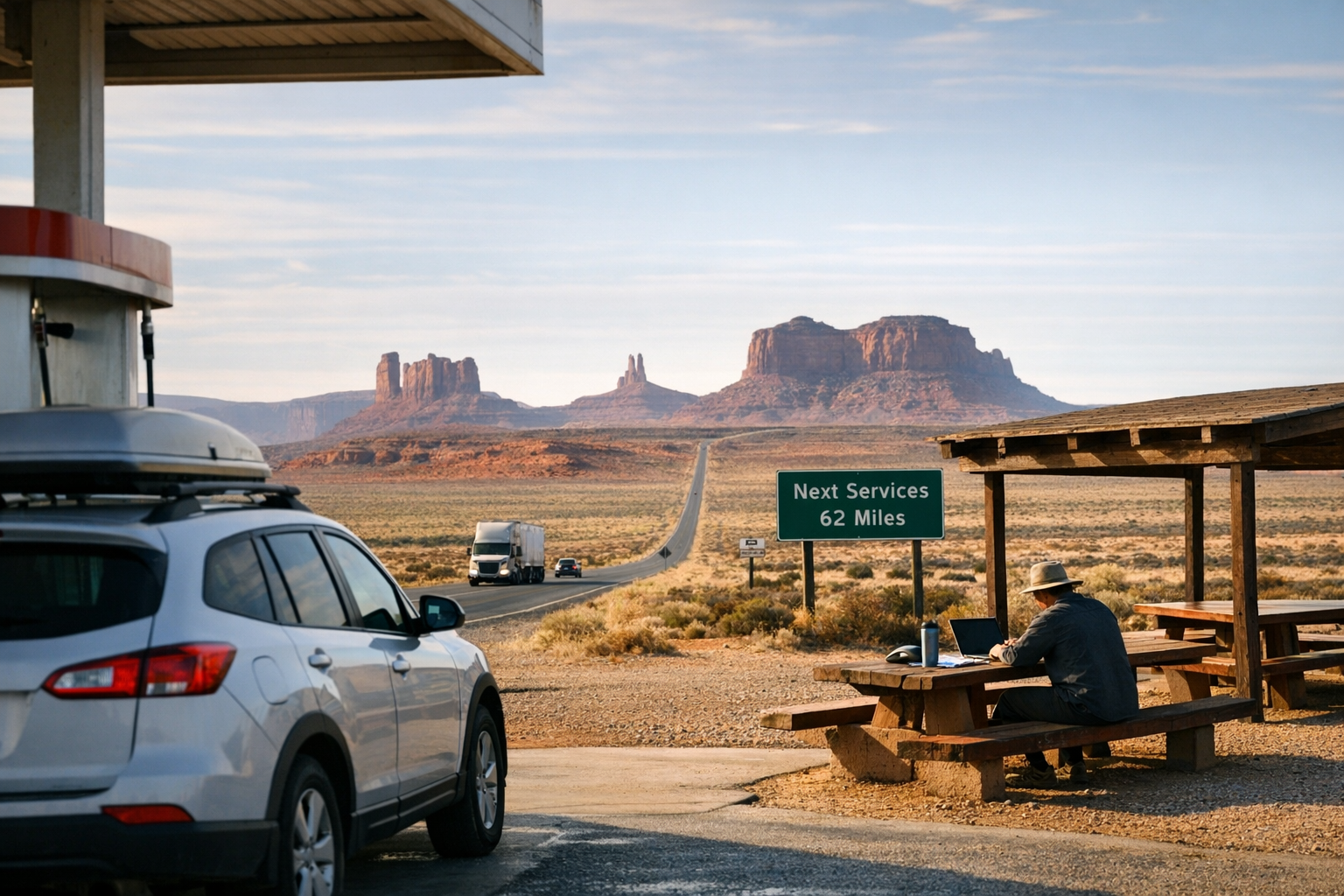
Expect patchy LTE or no signal in deep canyons, remote northern states and parts of rural Midwest — carry offline maps and an extra SIM if you need guaranteed connectivity.
5G availability varies by carrier and region; it helps in cities but doesn't guarantee better rural reach.
National parks & remote areas
Verizon often performs best; don't count on steady video calls or large uploads in most parks.
Interstate corridors
Highways between major cities usually have service from at least one major carrier; plan which carrier you’ll rely on before leaving.
Hotspot & tethering
Hotspot rules you’ll actually encounter
Major carriers permit hotspot but many consumer plans impose a fixed hotspot allowance (for example, the top tier unlimited plans include a set number of GB for hotspot before throttling). MVNOs frequently restrict tethering or route data through networks with deprioritization.
Global eSIM data plans generally permit tethering but do not promise the same speed or priority as native carrier postpaid plans; read the vendor policy for mobile hotspot explicitly.
If you need reliable full‑speed tethering for work, choose a carrier plan with an explicit unlimited hotspot tier or large dedicated hotspot allowance.
Common hotspot behavior
Allowed on most plans but usually capped or deprioritized; unsupported on some cheap MVNOs.
Testing before trust
Install and test tethering in a city on day one — if speeds or stability are poor, fall back to a local store or another eSIM.
Day‑one activation
Getting connected on arrival
At major US airports you can buy eSIM or physical SIM at carrier stores/kiosks (JFK, LAX, ORD, SFO, MIA). Global eSIMs let you install ahead and activate on landing, which avoids queues.
Some carrier eSIM activations require a local billing address or app verification; tourist prepaid eSIMs usually skip those checks.
If you need a US phone number for two‑factor auth, buy a domestic carrier eSIM (postpaid or prepaid) — global eSIM data packs often do not provide a local voice/SMS number.
Airport convenience
Carrier shops can issue an eSIM or physical SIM the same day; expect staff assistance but sometimes queues.
Preinstall advantage
Install a global eSIM before travel and set activation to arrival to have service immediately.
Troubleshooting
Common setup and connectivity fixes
If you can't access data after eSIM install, toggle Airplane Mode, ensure the eSIM profile is enabled, and check APN settings — many global vendors list APN tweaks if needed.
If voice/SMS are missing, confirm the eSIM provides a local number; some data‑only eSIMs do not support SMS/voice.
For persistent tethering or speed issues, test different carrier choices or switch to a SIM from a carrier store — tests by travelers show quick swaps often solve reliability problems.
APN & profile
Common fix: enable the eSIM profile, set it as data line, then restart the phone.
When to swap
Swap to a local carrier eSIM if tethering or sustained upload/download performance is business‑critical.
Comparison
How carrier eSIMs compare to global eSIM vendors
| Carrier eSIMs (Verizon/AT&T/T‑Mobile) | Global eSIM vendors (Airalo/Nomad/GigSky/Ubigi) | |
|---|---|---|
| Coverage & reliability | Good — best rural reach on Verizon; highest reliability for calls and tethering. | Variable — usually use major carrier networks but may be deprioritized and rarely match postpaid priority. |
| Hotspot & tethering | Usually supported with explicit caps or hotspot tiers; postpaid plans offer better sustained performance. | Often allowed for basic tethering; expect lower priority and caps in practice. |
| Activation & convenience | May need store visit or carrier app; provides local number and better customer support. | Install before travel and activate on arrival; fast and easy but often data‑only. |
Pro tips
Practical tips before you buy
Map your route and pick the carrier that covers the most remote segments — Verizon often wins on long highways and parks.
If you need a US phone number for SMS/2FA, buy a carrier eSIM (prepaid or postpaid); many data eSIMs are data‑only.
Test tethering in a city on day one; if hotspot performance is poor, swap to a carrier eSIM at an airport store.
Watch MVNO fine print: cheaper plans can deprioritize traffic or block hotspot entirely.
Carry an offline navigation pack and a small physical SIM or backup eSIM for areas with patchy coverage.
Live picks
Top package picks — quick starting points
Saily
United States 1GB 7 days
Hidden caveat: Local number availability. Most travel eSIMs are data‑only; local voice numbers usually require postpaid accounts or a separate SIM.
Saily
United States 3GB 30 days
Hidden caveat: Local number availability. Most travel eSIMs are data‑only; local voice numbers usually require postpaid accounts or a separate SIM.
Saily
United States 5GB 30 days
Hidden caveat: Local number availability. Most travel eSIMs are data‑only; local voice numbers usually require postpaid accounts or a separate SIM.
Saily
United States UNLIMITED 5 days
Hidden caveat: Local number availability. Most travel eSIMs are data‑only; local voice numbers usually require postpaid accounts or a separate SIM.
Saily
United States 10GB 30 days
Hidden caveat: Local number availability. Most travel eSIMs are data‑only; local voice numbers usually require postpaid accounts or a separate SIM.
Explore more
Ready to pick a plan?
For short visits try a 3–10 GB global eSIM installed before travel. For road trips prefer a Verizon‑backed plan or carrier prepaid eSIM. For remote work choose a postpaid plan with explicit hotspot allowance.
Related guides
More United States reading
Best eSIM for United States travel (2026)
A concise 2026 field‑oriented guide to choosing an eSIM for US travel: coverage realities, hotspot behavior, airport & same‑day options, and what to buy for city stays, roadtrips and remote work.
Open guide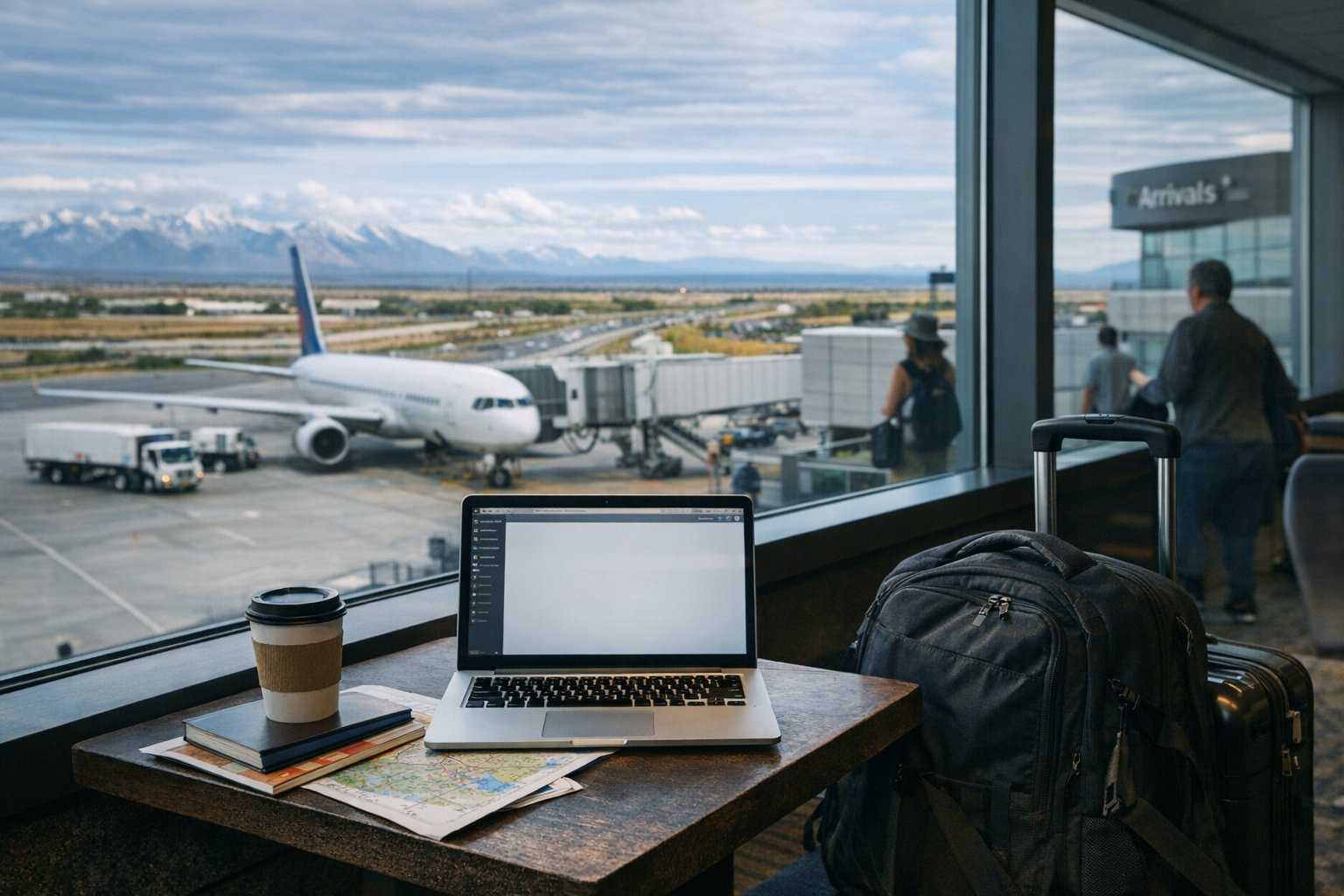
Best eSIM for United States travel (2026)
Which US eSIM to pick in 2026 depends on coverage (Verizon, AT&T, T‑Mobile), hotspot limits, and whether you need day‑one activation at arrival. This guide gives practical, real‑world advice and realistic expectations for travelers and remote workers.
Open guide