
United States — 2026 travel guide
Best eSIM for United States travel (2026)
Pick an eSIM that matches where you'll go (cities, highways, national parks) and whether you need tethering for remote work.
Quick take: T‑Mobile generally leads in urban 5G value; Verizon typically wins in deep rural coverage; AT&T is the balanced option for highways and business areas. Hotspot support varies by plan and vendor — expect fair‑use caps or throttling on many visitor/short‑term eSIMs.
Performance
Performance & where each operator stands
Verizon tends to have the most consistent signal in remote and mountainous areas; many travelers on Reddit report fewer dead zones on long drives.
T‑Mobile offers broad 5G in cities and usually the best pricing for short‑term eSIMs; reports note great downtown speeds but weaker coverage on some rural highways.
AT&T is often the middle ground — solid suburban and highway coverage with reliable business‑area performance according to operator maps and traveler checks.
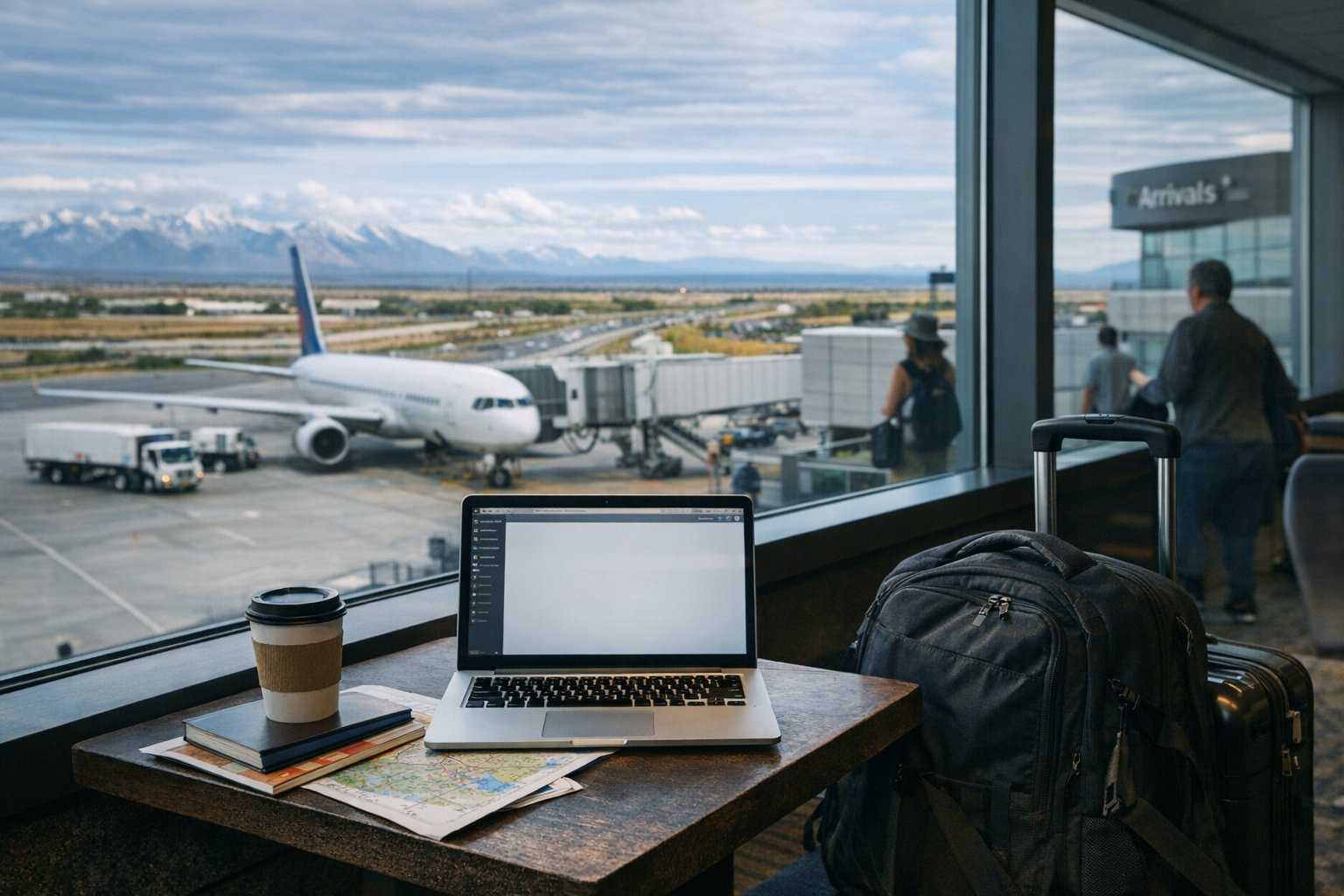
Many eSIM vendors allow same‑day activation at airports; unlocked phones and eSIM‑compatible devices are required — some carriers need profile download after landing.
Short‑term eSIMs may allow tethering but enforce a fair‑use threshold; for sustained remote work, choose plans explicitly advertising mobile hotspot or buy business/longer plans.
Overview
How to choose an eSIM for US travel in 2026
Decide by geography (cities vs long road trips) and use (occasional browsing vs daily remote work). Coverage maps and recent traveler reports on Reddit are useful—they surface real outages and road‑route gaps not obvious on promotional maps.
eSIM vendors often resell access to Verizon, AT&T, or T‑Mobile; the underlying MNO determines coverage and whether tethering is supported or throttled. Expect different behaviour between short‑term visitor plans and longer local plans.
Device & unlock
Ensure your device is eSIM‑capable and carrier‑unlocked before travel.
Local number notes
Many travel eSIMs provide a US data profile but not a full local voice/SMS number; VoIP apps are common workarounds.
Coverage differences
Verizon vs AT&T vs T‑Mobile — realistic tradeoffs
Verizon: best for deep rural coverage and long highways; travelers on Reddit who cross wide swaths of rural states often recommend Verizon for lower dropouts.
T‑Mobile: best value and urban 5G coverage; excellent for city stays and short trips, but some users report gaps on interstate stretches.
AT&T: balanced performance in suburbs and business corridors; a sensible compromise if your itinerary mixes towns and cities.
Rural travel
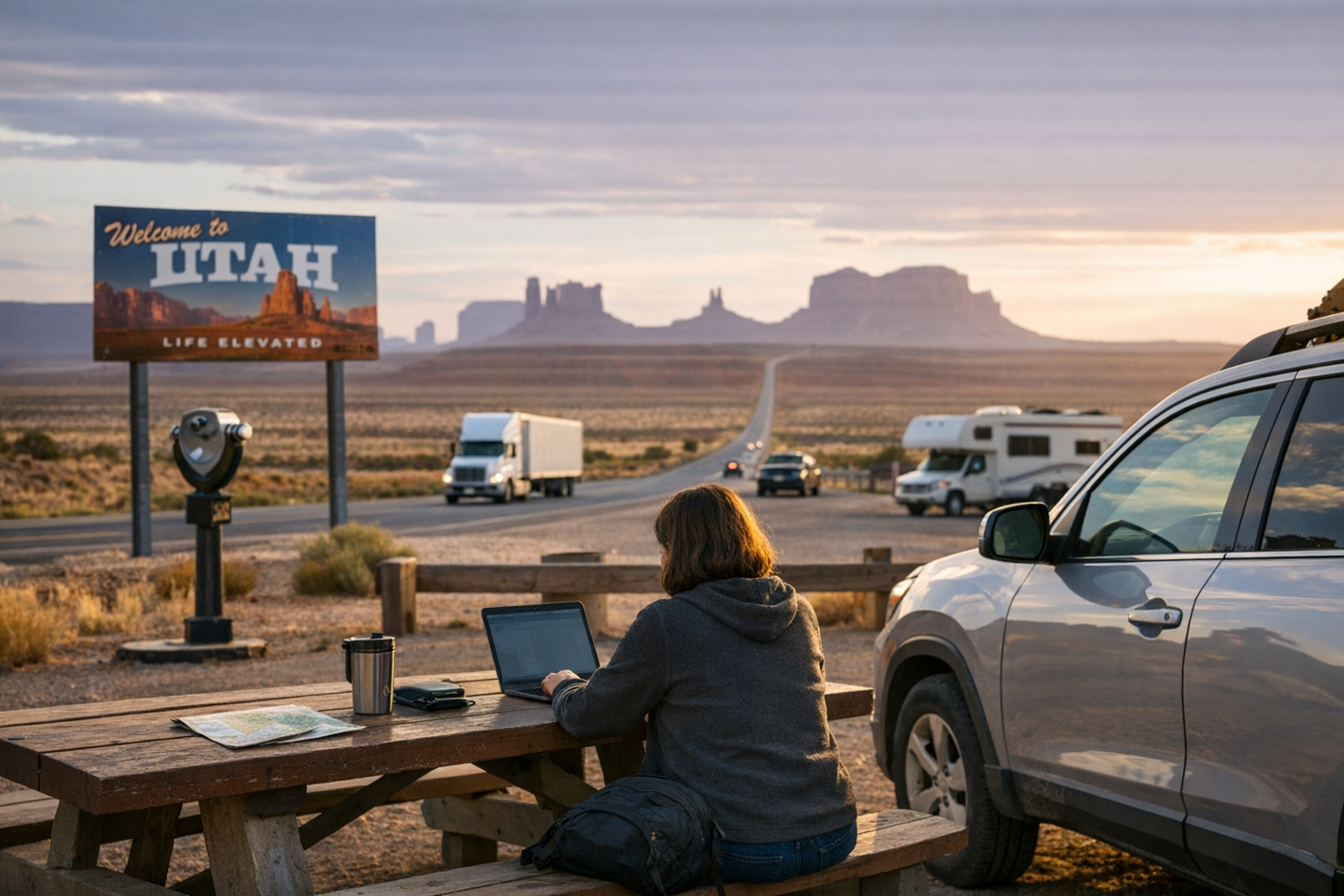
Choose Verizon for national parks, mountain passes, and long interstate legs.
City stays
Choose T‑Mobile for cheaper city‑focused packages and broad 5G availability.
Mixed itineraries
AT&T works well for hybrid city‑to‑country trips where you need consistency.
Hotspot & tethering
What to expect from hotspot support
Many eSIM visitor packages explicitly allow hotspot, but there are common caveats: fair‑use limits (often 5–50GB on visitor plans), post‑cap throttling, and carrier policy enforcement. Some resellers restrict hotspot to preserve upstream capacity.
Business or longer‑term plans are less likely to throttle hotspot; if you need reliable tethering for work, seek plans stating 'mobile hotspot included' or consider a dedicated mobile hotspot device with a local data SIM.
Fair‑use caps
Visitor data plans often drop speeds after a stated threshold — expect slow speeds for heavy video conferencing.
Vendor differences
Some eSIM sellers advertise 'hotspot allowed' while carrier terms still permit throttling — read both provider and carrier policy pages.
Activation & day‑one access
Getting connected on arrival
Most mainstream eSIM vendors let you install the profile pre‑trip and activate when you land. Airport Wi‑Fi or a short temporary connection may be required to finish provisioning. Have your phone unlocked and updated.
If you prefer physical SIMs, US airports have kiosks and shops, but pricing varies. For immediate, seamless data, buy an eSIM from a reputable seller that supports instant activation and provides clear hotspot rules.
If activation fails
Toggle airplane mode, restart the phone, and ensure you selected the eSIM profile as the data source.
Backup
Keep a small international roaming bundle or a local physical SIM option as a fallback.
Real‑world reports
What travelers are saying in 2026
Reddit travel and regional subreddits remain the fastest place to spot temporary network problems and route‑specific issues. Reports in 2025–26 highlight improved metro 5G but persistent rural gaps on some rural highways.
Users warn that some low‑cost eSIMs impose quiet throttles: speeds adequate for browsing but insufficient for high‑quality video calls after a few dozen gigabytes.
Common complaint
Hidden hotspot throttles that only appear after heavy use over several days.
Common praise
Urban 5G performance on T‑Mobile and simplified activation from major eSIM vendors.
Comparison
At‑a‑glance carrier comparison
| Carrier | Strengths / Caveats |
|---|---|
| Verizon | Best rural reach; visitor eSIMs may cost more; hotspot usually supported but expect carrier fair‑use rules. |
| T‑Mobile | Best urban 5G and value plans; great city performance; some gaps on remote highways and hotspot caps on short plans. |
| AT&T | Balanced coverage for suburbs/highways; steady business support; hotspot included on many plans but check per‑plan caps. |
Pro tips
Practical tips
Buy an eSIM you can install before travel and activate on landing — saves time and airport hassles.
If you need reliable tethering, prefer longer or business plans that explicitly list 'mobile hotspot' and avoid low‑cap visitor bundles.
Carry a fallback: a small roaming bundle from your home carrier or a cheap physical SIM sold at the airport.
Check recent Reddit threads for your specific route (interstate or national park) — real user reports catch temporary outages and tower maintenance.
Remember device limits: some phones only allow one active eSIM + one physical SIM; test eSIM switching at home.
Live picks
Who should pick which package
Saily
United States 1GB 7 days
Hidden caveat: Local number availability. Most travel eSIMs are data‑only; local voice numbers usually require postpaid accounts or a separate SIM.
Saily
United States 3GB 30 days
Hidden caveat: Local number availability. Most travel eSIMs are data‑only; local voice numbers usually require postpaid accounts or a separate SIM.
Saily
United States 5GB 30 days
Hidden caveat: Local number availability. Most travel eSIMs are data‑only; local voice numbers usually require postpaid accounts or a separate SIM.
Saily
United States UNLIMITED 5 days
Hidden caveat: Local number availability. Most travel eSIMs are data‑only; local voice numbers usually require postpaid accounts or a separate SIM.
Saily
United States 10GB 30 days
Hidden caveat: Local number availability. Most travel eSIMs are data‑only; local voice numbers usually require postpaid accounts or a separate SIM.
Explore more
Next step — pick a US eSIM
Compare packages that match your route, hotspot needs, and trip length. Prioritize vendors that clearly state which MNO they provide and their hotspot/fair‑use rules.
Related guides
More United States reading
Best eSIM for United States travel (2026)
A practical 2026 guide to US eSIMs: who covers where, what hotspot actually looks like, day‑one airport activation options, and clear package picks for tourists, road trippers and remote workers.
Open guide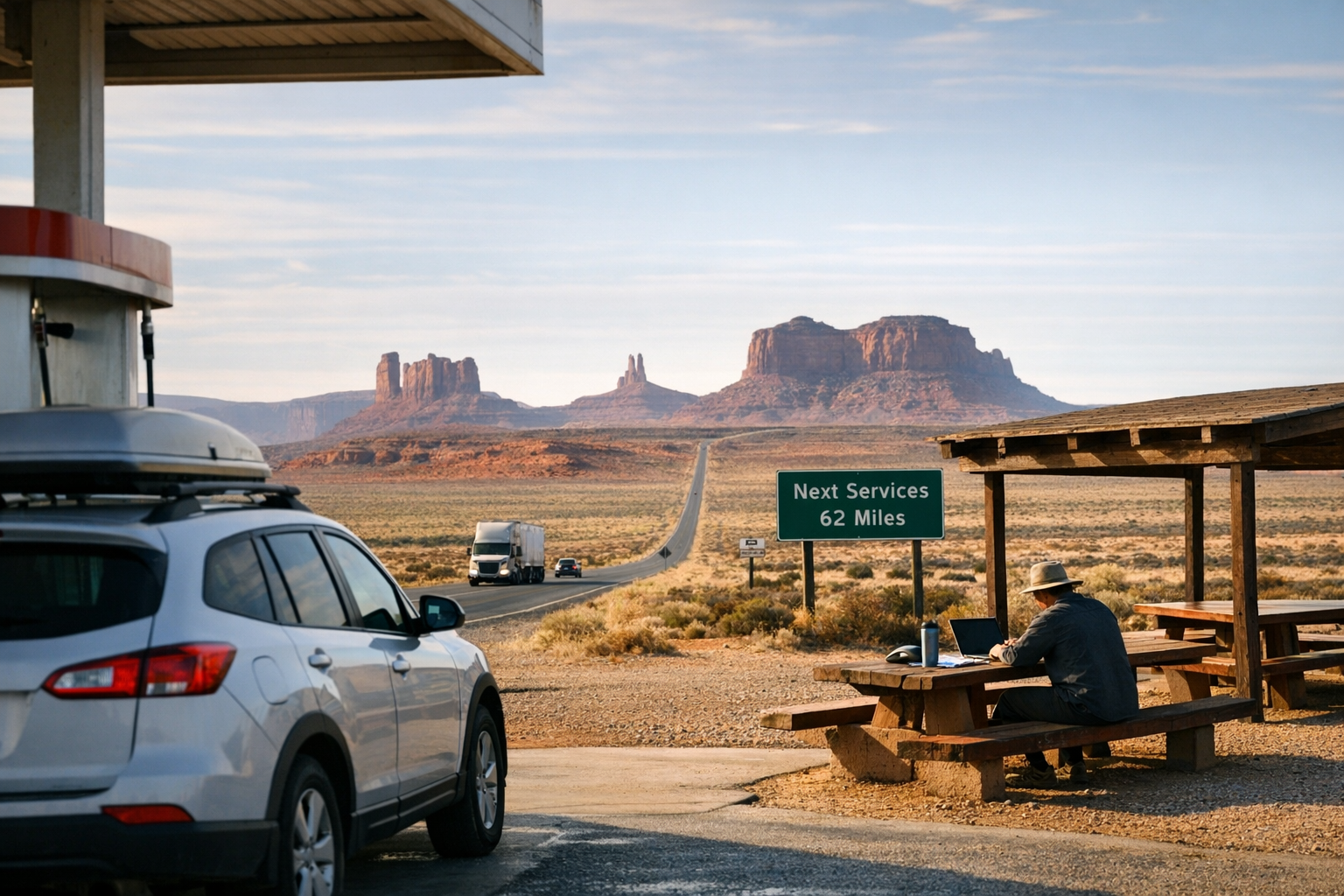
Best eSIM for United States travel (2026)
A concise 2026 field‑oriented guide to choosing an eSIM for US travel: coverage realities, hotspot behavior, airport & same‑day options, and what to buy for city stays, roadtrips and remote work.
Open guide