
United States travel (2026)
Best eSIM for United States travel (2026)
Choose an eSIM that matches where you’ll spend most of your time — big cities use T‑Mobile and AT&T well, long drives and rural areas still favor Verizon coverage.
Quick take: Major US networks give strong city 5G and wide 4G coverage, but rural gaps and carrier-specific hotspot policies matter. Buy based on route and tethering needs; use reseller eSIMs for quick airport or day‑one activation but prefer carrier eSIMs or reseller plans that specify MNO routing for long stays or heavy hotspot use.

Performance
Real‑world performance by use case
T‑Mobile generally offers strong city coverage and good 5G in metro areas; many eSIM resellers route on T‑Mobile for cheaper plans but rural reach can be limited.
Verizon typically has the widest rural footprint. For roadtrips and national parks, pick plans that specify Verizon as the underlying MNO.
AT&T fills gaps between T‑Mobile and Verizon in many regions — useful when you need a reliable single‑SIM experience across states.
Major carrier eSIMs usually allow hotspot. Reseller/MVNO data may be deprioritized or capped; expect slower speeds during congestion.
Overview
What to expect from eSIMs in the United States
The US market runs on three primary networks: Verizon, AT&T and T‑Mobile. eSIM resellers (Airalo, Nomad, Ubigi and others) and local carrier eSIMs all coexist — but which one works depends on where you travel and whether you need tethering.
Traveler reports (Reddit threads, recent field notes) consistently show excellent urban 5G and reliable interstate 4G, but coverage drops in national parks, mountain valleys and some rural counties. For roadtrips, pick a plan that uses Verizon or AT&T routing.
Hotspot behavior varies by seller: major carrier eSIMs and their retail plans usually permit tethering; MVNO and reseller plans may allow it but often deprioritize or limit throughput under congestion.
Field note
Reddit reports: city speeds good; long stretches of weak signal on remote highways.
Policy reality
Carrier docs note MVNO traffic may be deprioritized during network congestion.
Hotspot & tethering
How tethering actually works on US eSIMs
Most eSIM profiles permit tethering in practice, but the experience depends on the underlying MNO and whether the eSIM is a full‑retail carrier plan or a reseller/MVNO product. Resellers typically route on an MNO but can apply their own fair‑use rules.
Expect deprioritization if you tether heavily on MVNO/reseller plans, especially during peak hours. Some resellers explicitly cap hotspot speeds or limit the number of connected devices in their terms — traveler reports confirm inconsistent performance.
If hotspot is business‑critical (video calls, large uploads), prefer a retail eSIM from Verizon, AT&T or a high‑trust reseller that documents MNO routing and hotspot rules.
Common limit
MVNO/reseller plans may deprioritize heavy tethering during congestion.
Number of devices
Most carrier eSIMs support multiple devices; reseller limits vary by plan.
Same‑day activation
Airport and day‑one options
Major US airports have stores and kiosks for physical SIMs and carrier eSIM activation points (T‑Mobile and AT&T stores often near terminals). However, many travelers buy reseller eSIMs (Airalo, SimOptions, Nomad) before departure for instant phone activation on arrival.
Reseller eSIMs are convenient for immediate connectivity but may not guarantee the same coverage or hotspot performance as buying directly from Verizon/AT&T/T‑Mobile. If you need the best coverage from day one, visit a carrier store on arrival.
Activation pitfalls: multiple eSIM profiles on one device can interfere; ensure data roaming is enabled and the correct profile is selected for data and voice. Some carriers require local billing or ID for retail eSIMs.
Quick airport tip
Buy a reseller eSIM for instant activation; visit a carrier store if you need top rural coverage.
Activation gotcha
Remove or disable old profiles if the phone prefers the wrong SIM for data.
Choosing a plan
Match the plan to your route and tethering needs
For city stays and light tethering: T‑Mobile routed plans from resellers are cost‑effective and fast in metro areas. For heavy hotspot use or remote work: prefer Verizon or AT&T routing and avoid tiny MVNO buckets.
Roadtrips: pick the highest MNO coverage along your planned route. Use coverage maps from carriers but combine them with traveler reports (Reddit, field tests) because maps may overstate signal in valleys and forested areas.
Short stopovers: buy a 7–14 day reseller plan for convenience. For longer stays or business use, consider buying a retail carrier eSIM or a longer reseller plan that documents MNO routing and hotspot allowances.
Start simple
7–14 day plans are cheap and good for city trips.
Work rules
For stable hotspot: prioritize MNO routing and higher data allowances.
Troubleshooting
Common activation and performance fixes
If you have no data after activation: toggle airplane mode, ensure the eSIM is set as the active data SIM, and confirm APN settings if provided by the seller.
If tethering works but is slow: test on-device speed, then switch MNO (if your eSIM supports multiple network options) or get a carrier eSIM at a store. Consider signal boosters or changing location (building interiors curb signal).
If you see frequent disconnections on trains or highways, this is often handover issues between towers; using a carrier with stronger rural coverage helps (field reports favor Verizon on many routes).
Quick reset
Airplane mode toggle often fixes profile routing issues.
When to swap
If speeds are poor for tethering, swap to a carrier eSIM tied to Verizon or AT&T.
Live plan table
Live plan guidance — pick by need
Practical plan matches and what to expect for hotspot use. Data amounts are illustrative; choose a plan that names the underlying MNO for reliable coverage.
| Plan | Validity | Best for | Use case | Hotspot | Price | |
|---|---|---|---|---|---|---|
| United States 10GB 30 days | 30 day | Tourist — multi‑city | Navigation, daily maps, social media uploads, some hotspot use | Allowed — suitable for occasional tethering; avoid heavy simultaneous streaming on tethered devices. | $22.99 | Check plan |
Comparison
Seller types compared
| eSIM reseller (Airalo, Nomad, Ubigi, etc.) | Local carrier eSIM (Verizon/AT&T/T‑Mobile) |
|---|---|
| Immediate activation from a phone; cheaper short plans; MNO routing sometimes unspecified—good for city trips and arrival day connectivity. | Direct MNO routing, better rural/road reliability and clearer hotspot policy; may require ID or in‑store activation and cost more. |
| Hotspot: usually allowed but may be deprioritized — read seller terms and traveler reports. | Hotspot: generally allowed with clearer performance expectations; less likely to be deprioritized on retail plans. |
| Best when you need instant, low‑cost coverage and convenience. | Best when consistent coverage and tethering reliability are critical (remote work, long roadtrips). |
Pro tips
Practical tips
If tethering matters, choose a plan that explicitly states the underlying MNO (Verizon/AT&T/T‑Mobile) and hotspot policy.
Before departure, install the eSIM and test activation; toggling airplane mode can resolve most routing issues.
For roadtrips, map carrier coverage along your route — crowdsourced reports (Reddit, travel blogs) often reveal real gaps versus carrier maps.
Keep a small physical SIM or a backup reseller eSIM for areas with poor signal or if your device struggles with multiple eSIM profiles.
Save the reseller’s APN and support steps before you travel; some sellers require in‑app help for profile re‑issue.
Live picks
Top package types to consider (2026)
Saily
United States 1GB 7 days
Hidden caveat: Local number availability. Most travel eSIMs are data‑only; local voice numbers usually require postpaid accounts or a separate SIM.
Saily
United States 3GB 30 days
Hidden caveat: Local number availability. Most travel eSIMs are data‑only; local voice numbers usually require postpaid accounts or a separate SIM.
Saily
United States 5GB 30 days
Hidden caveat: Local number availability. Most travel eSIMs are data‑only; local voice numbers usually require postpaid accounts or a separate SIM.
Saily
United States UNLIMITED 5 days
Hidden caveat: Local number availability. Most travel eSIMs are data‑only; local voice numbers usually require postpaid accounts or a separate SIM.
Saily
United States 10GB 30 days
Hidden caveat: Local number availability. Most travel eSIMs are data‑only; local voice numbers usually require postpaid accounts or a separate SIM.
Explore more
Next steps
Compare live plans that specify MNO routing and hotspot rules for your travel profile. Book a carrier eSIM if you need the most reliable rural coverage or choose a reputable reseller for fast airport activation.
Related guides
More United States reading
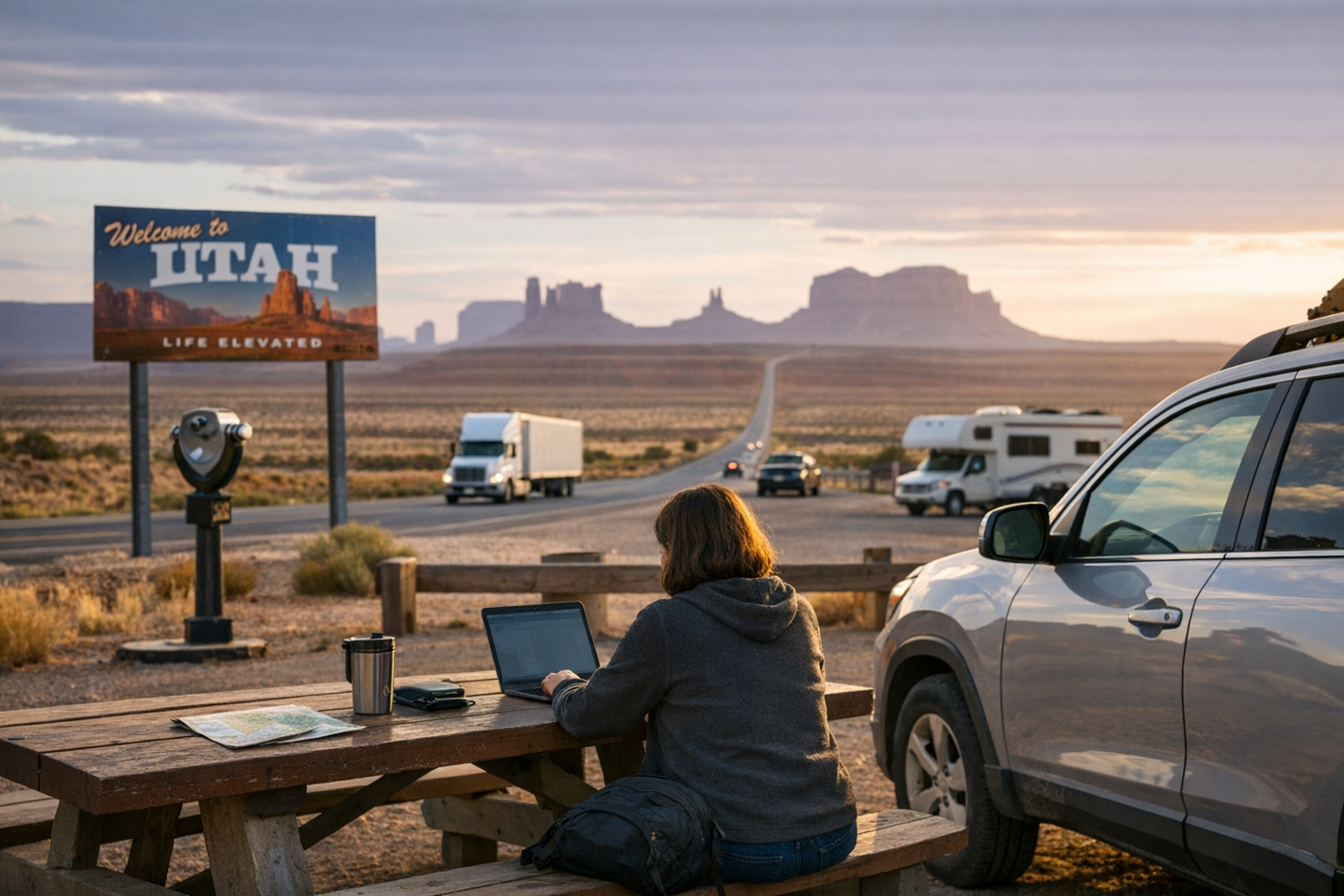
Best eSIM for United States travel (2026)
A practical 2026 guide to US eSIMs: who covers where, what hotspot actually looks like, day‑one airport activation options, and clear package picks for tourists, road trippers and remote workers.
Open guide
Best eSIM for United States travel (2026)
Which US eSIM to pick in 2026 depends on coverage (Verizon, AT&T, T‑Mobile), hotspot limits, and whether you need day‑one activation at arrival. This guide gives practical, real‑world advice and realistic expectations for travelers and remote workers.
Open guide